Introduction
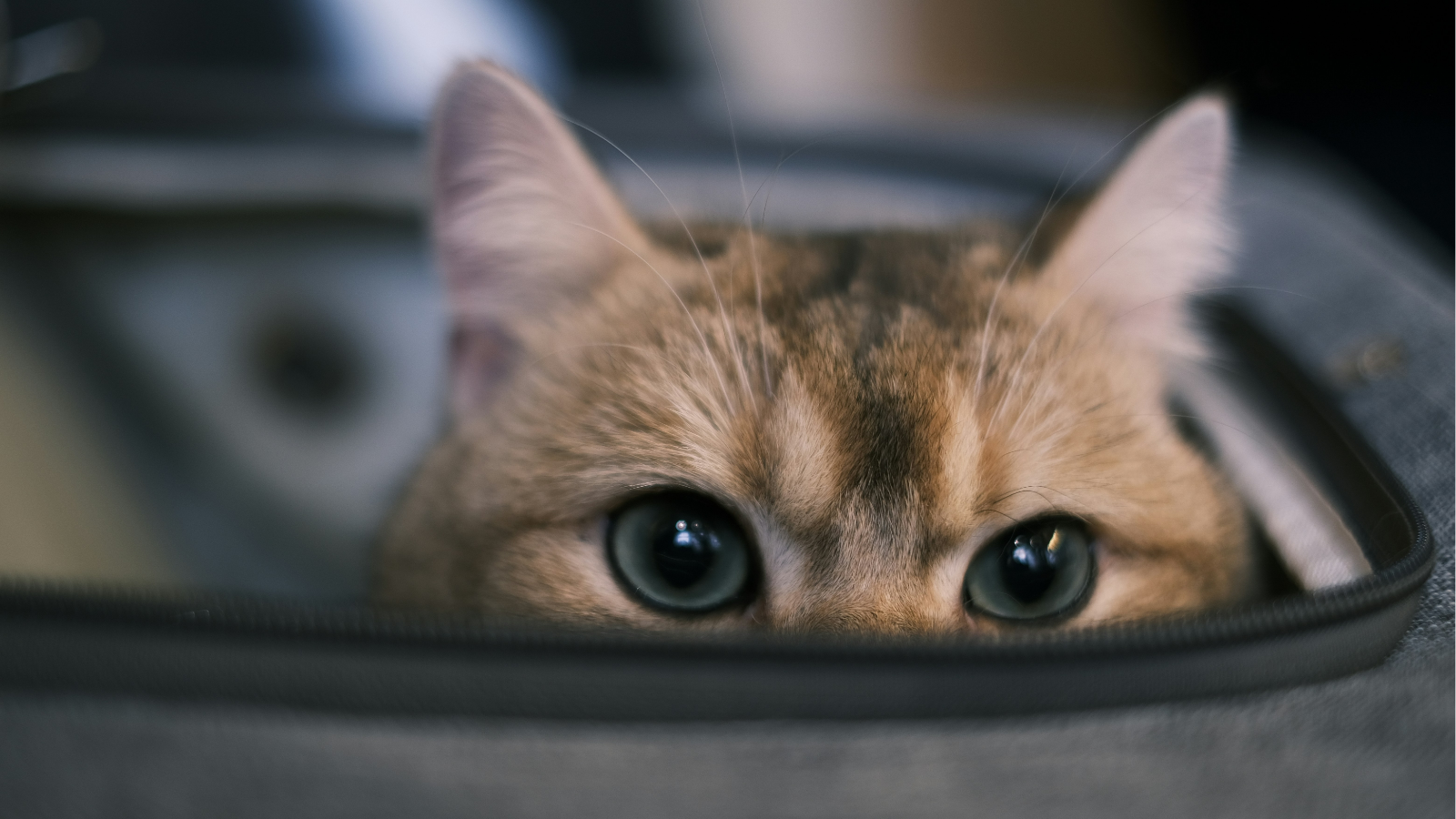
Flying with a cat in the cabin is one of the more manageable forms of pet travel — your cat stays with you the whole flight, under the seat in front of you, rather than traveling as cargo. But airline policies on carrier size, fees, and breed or health restrictions vary enough that it's worth checking specifics before you book, not after.
What Most Airlines Have in Common
Across most carriers that allow in-cabin pets, you'll typically find:
- A soft-sided carrier requirement that fits under the seat in front of you, with specific maximum dimensions
- A per-flight pet fee, generally charged one-way and not always changeable at the same rate as your ticket
- A limit on the total number of pets allowed in the cabin per flight, meaning early booking matters
- Health and vaccination documentation requirements, more extensive for international flights
Where Policies Actually Differ
Carrier size limits vary by a meaningful margin between airlines — a carrier that fits under the seat on one airline may not fit on another's narrower under-seat space, especially on regional jets. Breed and age restrictions differ too; some airlines won't accept very young kittens, and most exclude animals that appear unwell. Documentation windows — how close to your flight date a health certificate must be issued — also vary and matter more for international routes.
Verify before you book: airline pet policies change relatively often and are airline- and route-specific. Confirm your airline's current in-cabin pet policy, carrier dimensions, and fees directly with the airline before booking, and again close to your travel date.
Tips for a Smoother Flight
Let your cat spend time in the carrier at home in the weeks before the flight so it's a familiar space, not a stressful surprise. Line the carrier with a familiar-smelling blanket. Feed a lighter meal a few hours before the flight rather than right before, and confirm your airline's policy on brief in-flight access to check on your cat, since most require the carrier to stay closed and stowed for the duration.
FAQ
Can any cat fly in the cabin?
Most healthy adult cats that fit comfortably in an approved carrier can fly in-cabin, but very young kittens, pregnant cats, or cats with certain health conditions may be restricted — check with your vet and airline.
Do I need a health certificate for a domestic in-cabin flight?
Requirements vary by airline and route; domestic flights often have lighter documentation requirements than international ones, but confirm directly rather than assuming.
What happens if my cat's carrier doesn't fit under the seat?
Airlines can deny boarding with a non-compliant carrier, so measure your specific carrier against your specific airline's published dimensions before you travel, not just general guidance.